HISTORY
SAVE THE DATE • SAT 17TH & SUN 18TH JULY 2027 • SAVE THE DATE • SAT 17TH & SUN 18TH JULY 2027 • SAVE THE DATE • SAT 17TH & SUN 18TH JULY 2027 • SAVE THE DATE • SAT 17TH & SUN 18TH JULY 2027 • SAVE THE DATE • SAT 17TH & SUN 18TH JULY 2027 • SAVE THE DATE • SAT 17TH & SUN 18TH JULY 2027 •
Roots of Pride in Leeds
Leeds Pride traces its roots back to August 2006, when the city hosted its first official Pride event under the name Leeds Gay Pride. While 2006 marked an important milestone, Pride in Leeds did not begin there. Long before the parade filled the city centre, local communities were already creating spaces for visibility, solidarity and celebration.
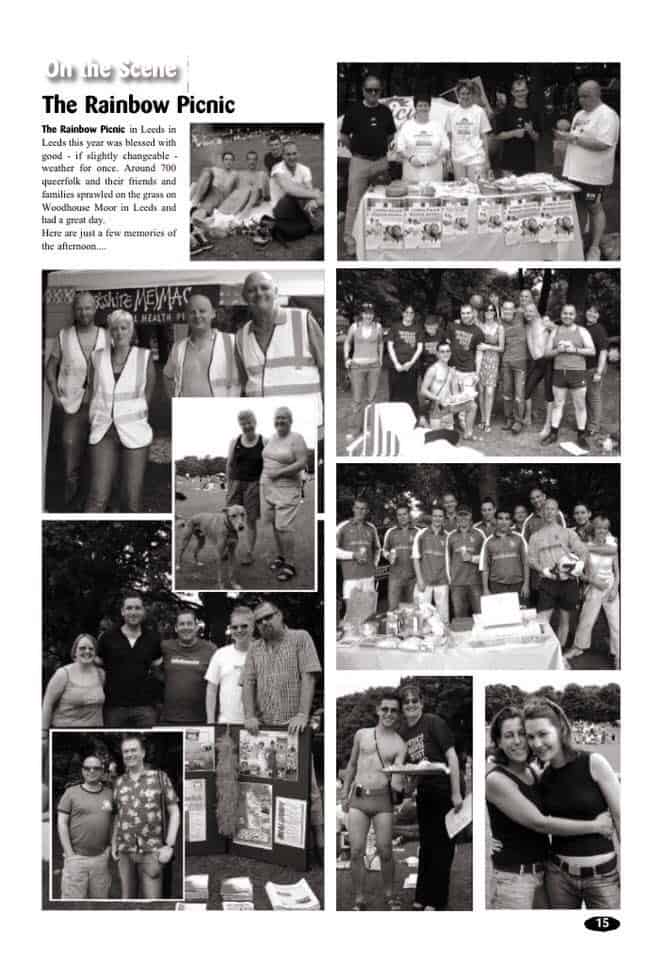
In the late 1990s and early 2000s, informal gatherings such as Hyde Out, an annual picnic held on Woodhouse Moor from 1997, brought LGBTQ+ people and allies together in a relaxed, grassroots setting. Alongside smaller social meet‑ups and community activism, these events laid the foundations for what would become Leeds Pride.
A City with a Proud LGBTQ+ Heritage
Leeds has a rich and resilient LGBTQ+ history stretching back decades. From the 1950s onwards, the city was home to LGBT+‑friendly pubs and bars at a time when homosexuality was still criminalised or only recently decriminalised. Many of these venues were centred around The Calls and Briggate, an area often referred to as the Freedom Quarter.
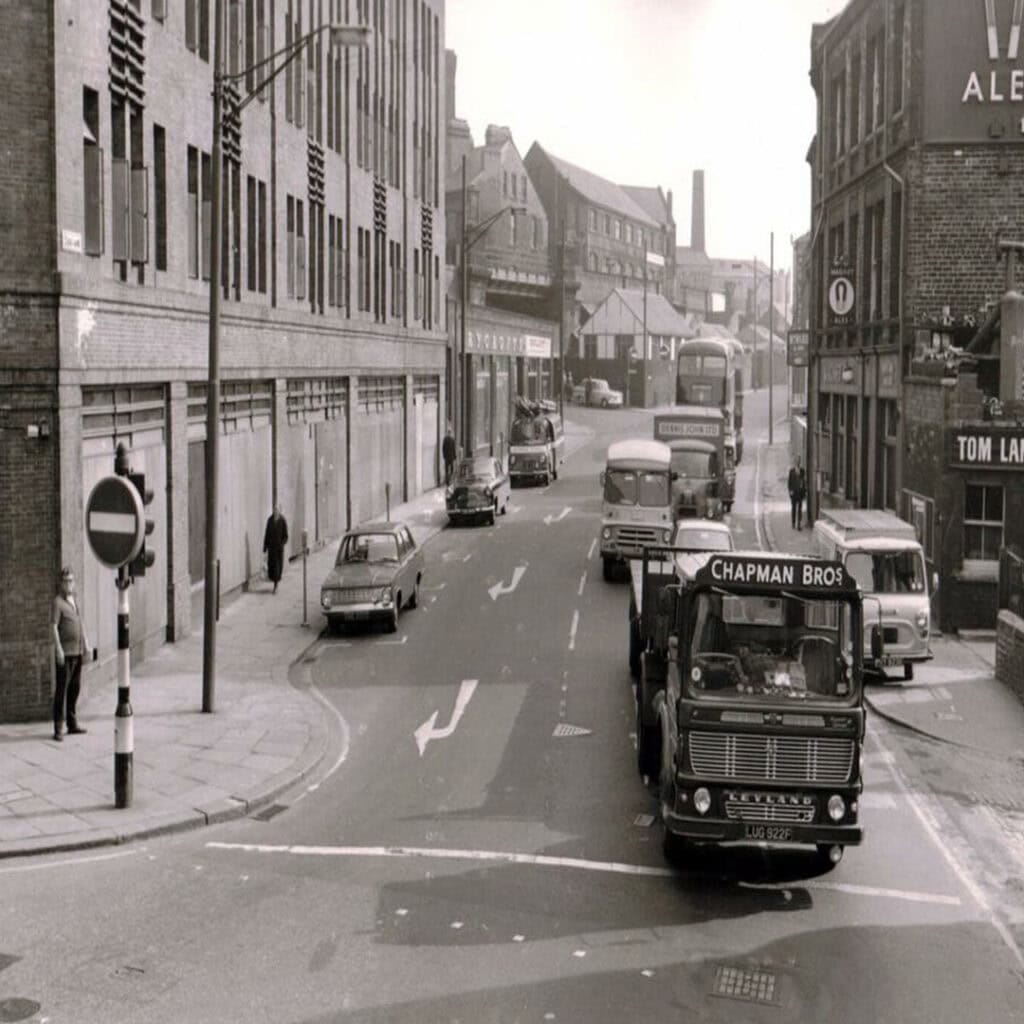
The Hope & Anchor (Now The New Penny).
This is thought to be the UK’s longest consecutively running LGBT venue & was the first place Lily Savage performed as a solo artist.
The Mitre Hotel. A “No Women Allowed” pub in which gay and curious men would secretly meet.
One of the most significant venues is The New Penny, widely recognised as the oldest gay pub in Leeds and still a beloved community space today. In 2016, it was awarded a blue plaque for “providing a safe venue for the Lesbian, Gay, Bisexual and Trans* community”, recognising its importance in the city’s social history.
Leeds has also played a pioneering role in LGBTQ+ activism and education. The University of Leeds has long been an advocate for equality and hosted the UK’s first national conference on trans issues in 1974, placing the city at the forefront of trans rights discussions.
During the 1980s and 1990s, Leeds’ LGBTQ+ communities continued to grow and organise. Women‑only discos at venues such as the Dock Green Inn in Harehills created strong networks of support and friendship, including among miners’ wives. At the height of the AIDS crisis, activist group ACT UP Leeds staged bold protests to raise awareness, including a memorable 1990 attempt to wrap the Black Prince statue in cling film, a moment that captured both the urgency and creativity of local activism.
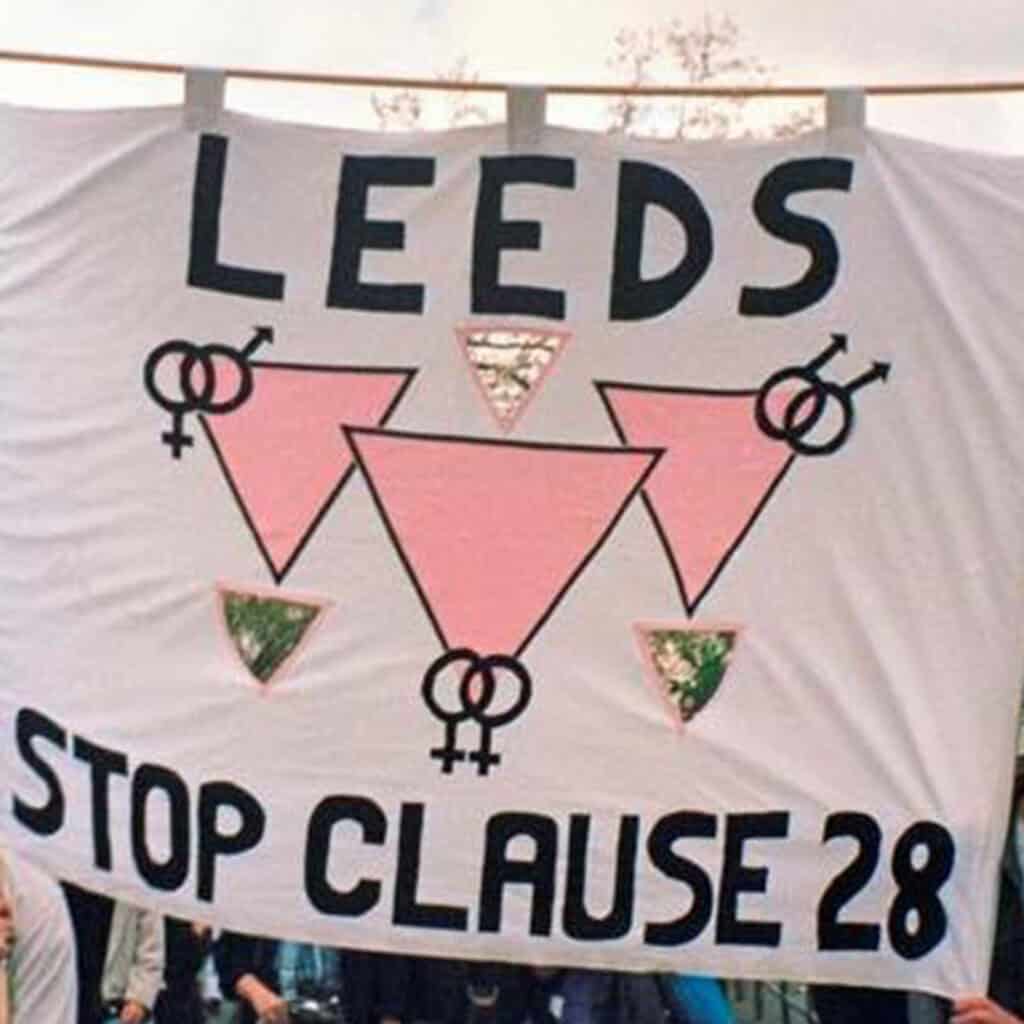
A banner from the Leeds protest in 1988 against ‘Section 28’ legislation that stated that councils should not “promote homosexuality or publish material with the intention of promoting homosexuality” in its schools.
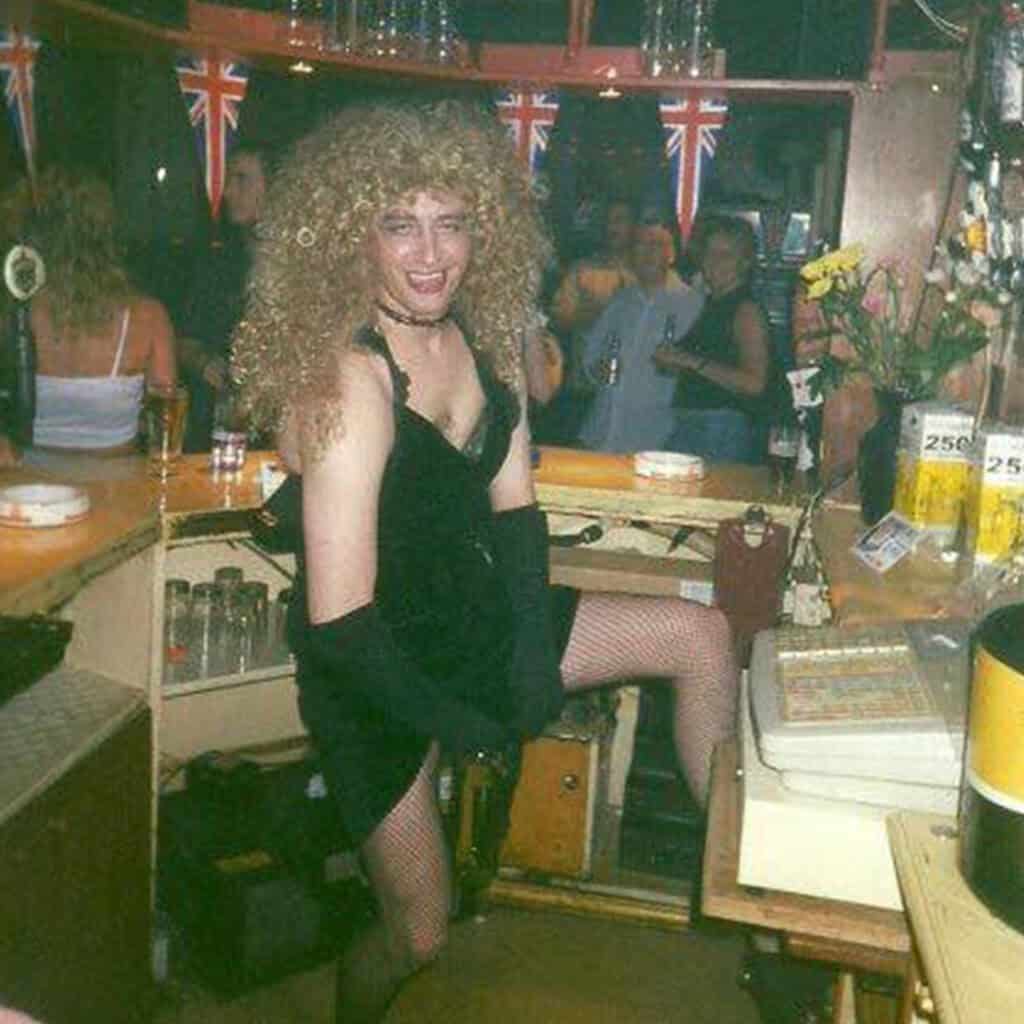
The Queens Golden Jubilee in 2002, celebrated at The New Penny (Lee Allanson)
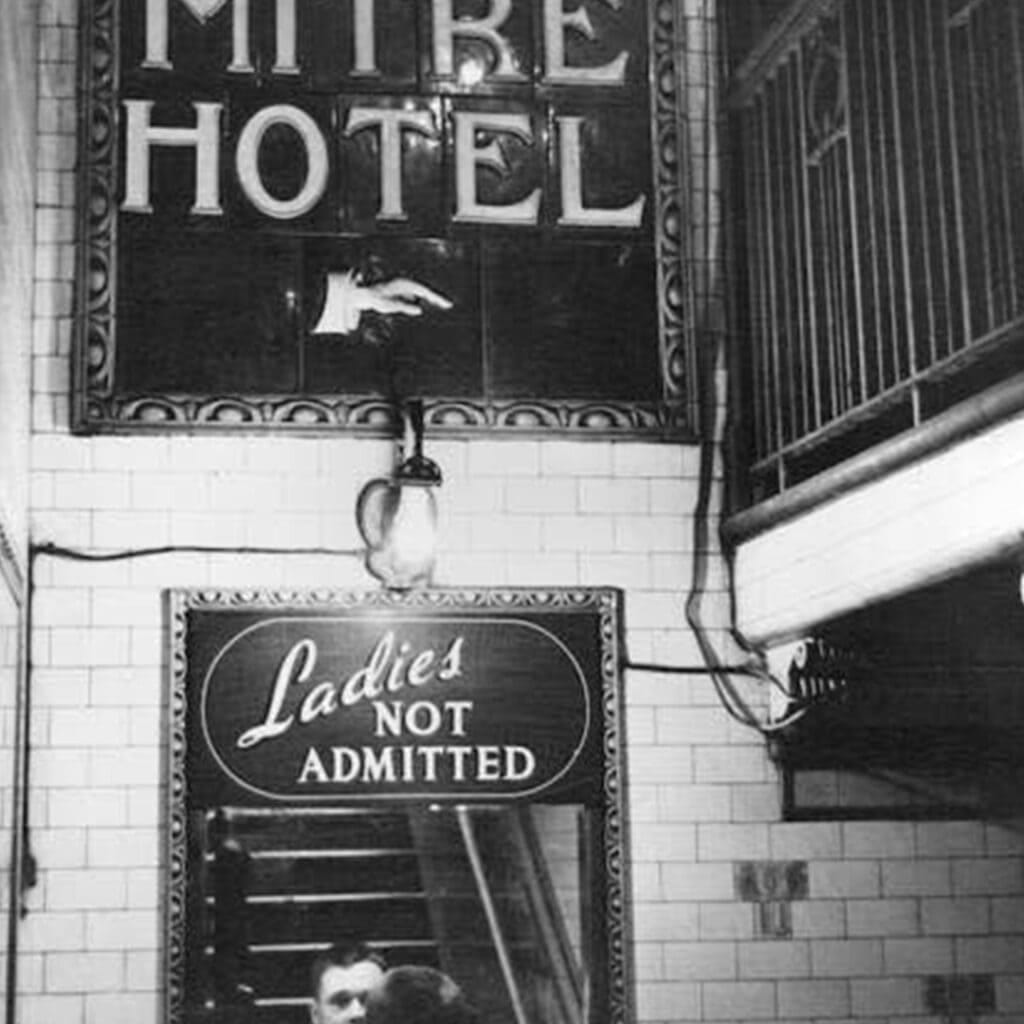
The Mitre Hotel. A “No Women Allowed” pub in which gay and curious men would secretly meet.
the birth of leeds pride...
Against this backdrop of activism and resilience, the first official Leeds Gay Pride took place in 2006. Supported by Leeds City Council and local businesses, the inaugural event attracted around 6,500 people, marking a significant step forward for visibility and celebration in the city.
The event quickly grew year on year. By 2009, attendance had nearly doubled to 12,000, reflecting both increasing acceptance and the appetite for a large‑scale Pride event in Leeds.
a defining moment: 2016 & beyond...
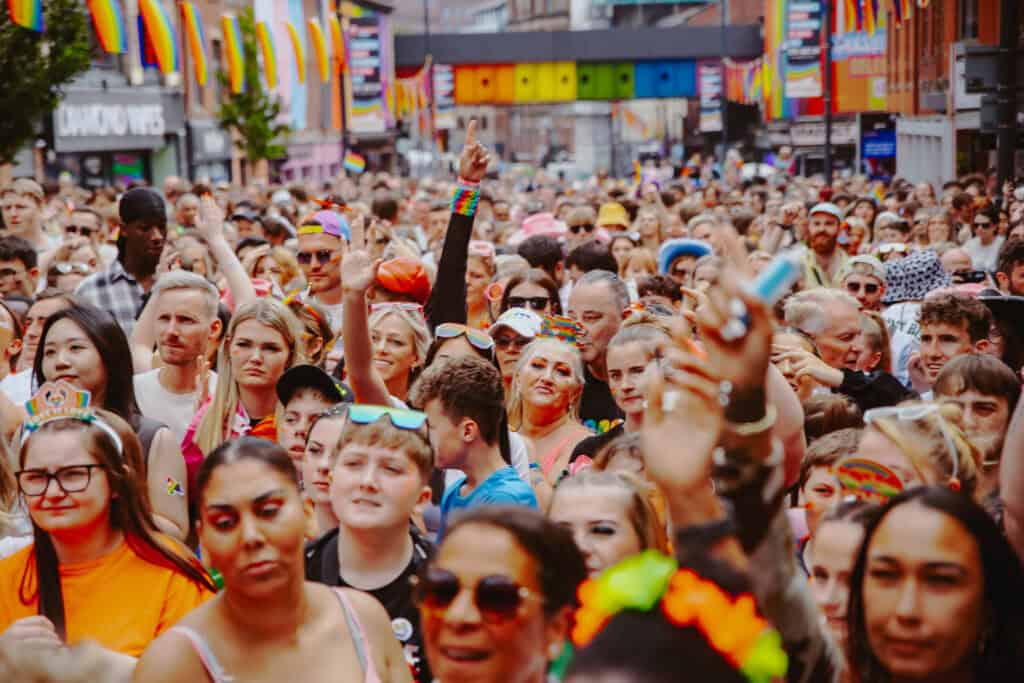
In 2016, the event reached a major milestone. Celebrating its tenth year, Leeds Gay Pride was rebranded as Leeds Pride, signalling its evolution into one of the UK’s leading Pride events. That year, over 40,000 people took part, firmly establishing Leeds Pride as a key fixture in the city’s cultural calendar.
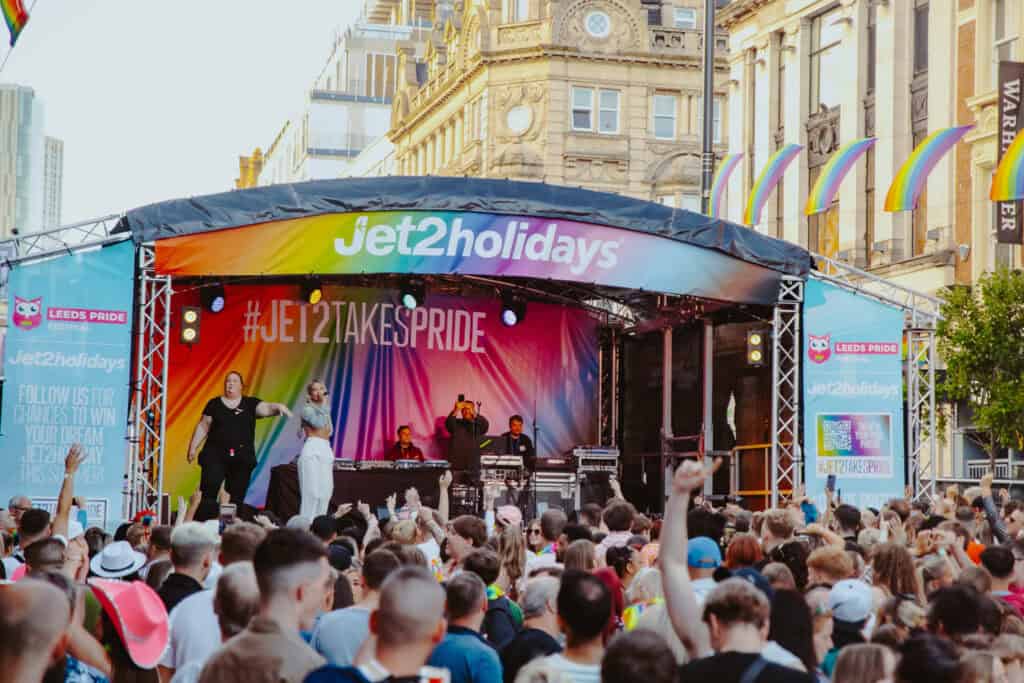
Since then, Leeds Pride has continued to grow in scale and ambition. Today, it welcomes tens of thousands of attendees, with a vibrant parade through the city centre and live performances across two major stages. What began as a single‑day celebration has become a powerful statement of joy and unity.
More than a celebration...
Leeds Pride is more than a party, it is a reflection of the city’s journey and the ongoing fight for equality. It provides a platform for education, awareness and community connection, while recognising the challenges that LGBTQ+ people still face, including issues such as discrimination, hate crime and domestic abuse.
As we look to the future, Leeds Pride remains rooted in its history: shaped by decades of activism, community spirit and courage. From informal picnics on Woodhouse Moor to one of the UK’s largest Pride celebrations, Leeds Pride stands as a testament to how far we’ve come, and why Pride still matters today.
Leeds' Past: The LGBTQ+ Scene
From hidden bars and secret meeting places to the vibrant LGBTQ+ nightlife we know today, Leeds has a rich and fascinating queer history. Take a look back at the people, places and stories that helped shape the city’s LGBTQ+ scene – and discover how Leeds’ legendary bar and nightlife culture has evolved over the years.
the first leeds pride
How did Leeds Pride begin? Go back to the very beginning and hear from the people who made it happen, from the early ideas and planning to bringing Leeds’ very first Pride to life.
LEEDS pride the modern day
Leeds Pride has come a long way, but its purpose remains as important as ever. Hear how the event has evolved, the difference it makes and why Pride still matters in Leeds.