As February marks LGBT History Month, it’s a perfect time to reflect on the vibrant and evolving LGBTQ+ community in Leeds. From its early days as a hidden subculture to its current status as an LGBTQ+ hub, the city’s history is rich and multifaceted. This month, as we celebrate the achievements and struggles of those who came before us, let’s take a moment to explore the legacy of LGBT life in Leeds.
A City of Community and Pride
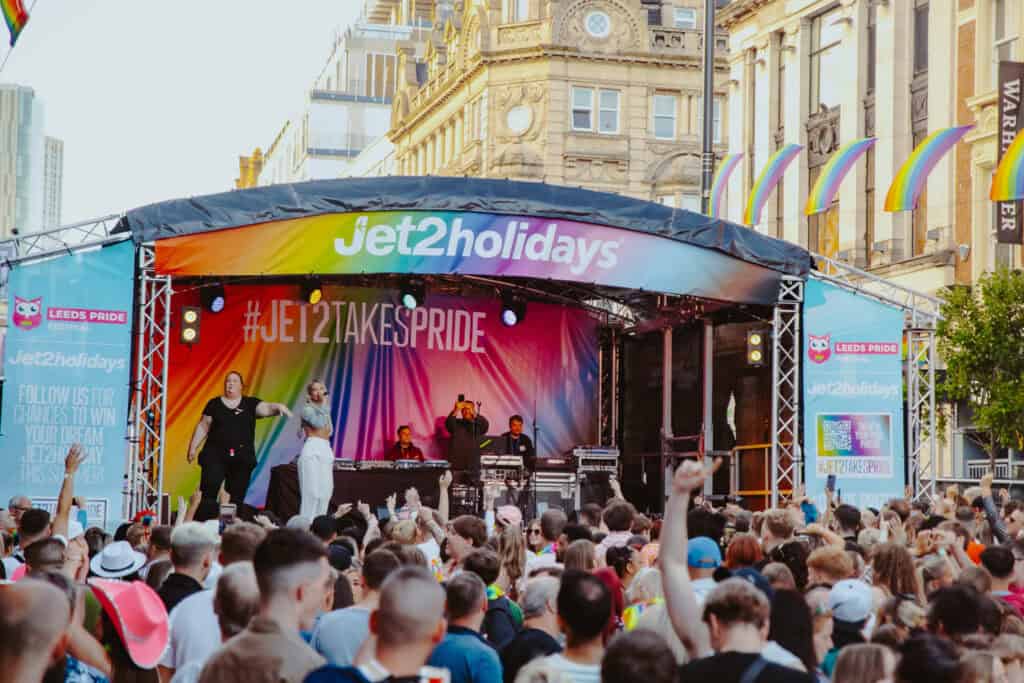
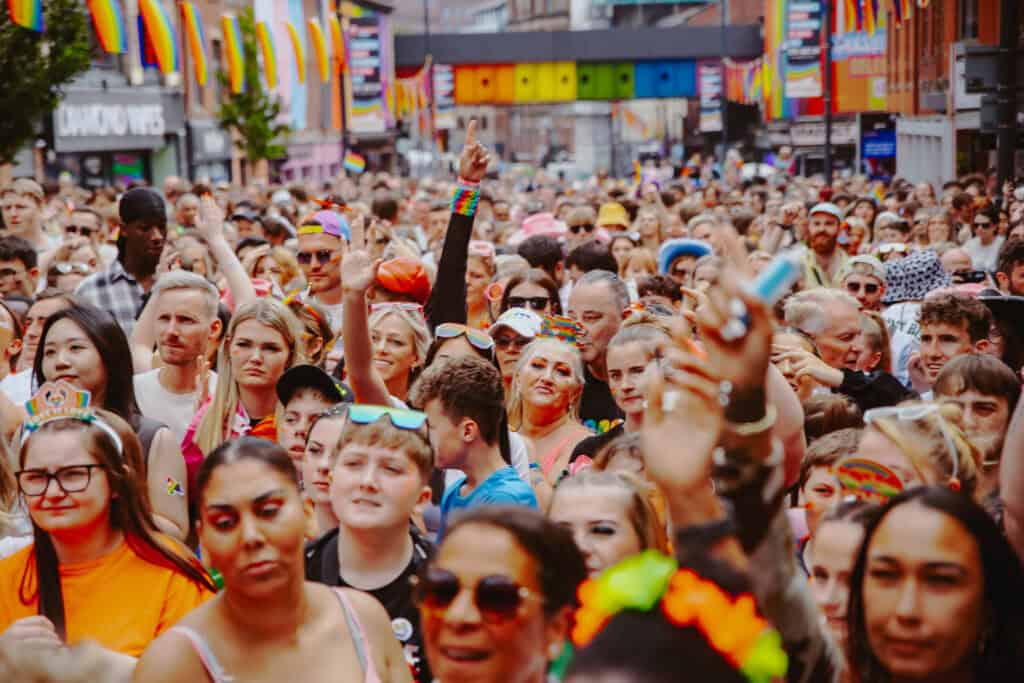
Leeds has long been home to a thriving LGBTQ+ community, one that has steadily grown in visibility and influence over the decades. While it’s hard to pin down exact numbers, it’s estimated that roughly 10% of the city’s population identifies as lesbian, gay, bisexual, or transgender. That’s more than 77,000 individuals, making the LGBTQ+ population an integral part of the fabric of the city. The Leeds Pride celebration, now a well-established event, sees over 75,000 people take to the streets each year, marking the city’s commitment to equality and inclusion.
The Foundations: A Look Back at Leeds’ Early LGBTQ+ Life
For many years, the LGBTQ+ community in Leeds operated under the radar, with its social gatherings taking place in hidden venues, far from the eyes of a more conservative society. The heart of the city’s LGBTQ+ scene can be traced to the area around The Calls and Lower Briggate, often referred to as the “Leeds Gay Quarter” or the “Freedom Quarter.” In the 1930s, the Pelican Social Club in Blayd’s Yard was a popular meeting point for effeminate men, many of whom expressed themselves through women’s clothing.
Fast forward to the 1950s, and the Mitre pub became an unofficial gathering spot for gay men, even though it was frequented by sympathetic police officers who turned a blind eye to the underground nature of these social meetups. The New Penny, now one of Leeds’ most iconic LGBTQ+ venues, was originally known as the Hope and Anchor and has been serving the community since 1953. It holds the distinction of being the longest-running gay pub in the city, a sanctuary for those seeking a welcoming space to express their true selves.
The Changing Tide: LGBTQ+ Activism and Visibility
The 1970s and 80s marked an era of significant change for LGBTQ+ rights in Leeds. The city’s LGBTQ+ population began to push back against societal norms through activism, with groups like the University of Leeds’ Gay Liberation Society leading the charge. In 1971, members of the Gay Liberation Front were distributing leaflets around the city advocating for the acceptance of same-sex love, and by the mid-1970s, the Leeds Gay Liberation Front was organizing demonstrations, despite facing significant opposition and threats.
The 1980s and 1990s saw a boom in LGBTQ+ nightlife, with a range of clubs, pubs and bars catering to all tastes. Iconic venues such as The Bridge Inn, The Old Red Lion, and Charlie’s Club became staples of the scene, providing a space for solidarity. By the 1990s, LGBTQ+ nightlife became even more vibrant, with club nights like SpeedQueen bringing together a cross-section of the LGBTQ+ and straight communities.
Celebrating Milestones: Pride, Equality and Representation
Leeds Pride has grown from humble beginnings to become one of the most significant LGBTQ+ events in the region. The first Pride parade, held in 2006, featured an open-topped pink bus and saw thousands of people marching through the streets in support of LGBTQ+ rights. The event has only gotten bigger, with more than 40,000 people attending the 10th Leeds Pride in 2016.
The city has also seen major legal milestones, with one of the first civil partnerships in the country taking place in 2005 between Terry George and Michael Rothwell. This early adoption of civil rights for same-sex couples demonstrated Leeds’ progressive stance and set a precedent for the rest of the country.
Continuing the Legacy
Leeds’ commitment to LGBTQ+ visibility and equality extends beyond Pride. In 2017, students at Leeds’ universities organised protests in response to anti-gay violence in Chechnya, while at the same time hosting events that highlighted the struggles and triumphs of the LGBTQ+ community. The city’s celebration of LGBTQ+ talent also continues to grow, with events like LGBTQ The Music at The Hyde Park Book Club and collaborations with local businesses such as Anthology Brewery, which created a special beer in celebration of LGBT History Month with proceeds benefiting Stonewall.
As we reflect on the progress made and the challenges that remain, LGBT History Month serves as a reminder of the work still to be done. But it’s also an opportunity to celebrate how far the LGBTQ+ community in Leeds has come. From those early secretive social gatherings to today’s thriving, visible and celebrated community, Leeds’ LGBTQ+ history is one of resilience!